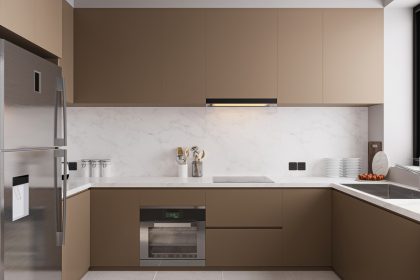
When people think of premium design, they think of bespoken furniture or rare stone. But there is an invisible element that dictates exactly how expensive and sophisticated those materials actually look: Lighting Architecture.
Without precise lighting, the finest Italian marble looks flat, and curated color palettes lose their depth. Lighting should never be treated as an electrical afterthought, but rather as a core structural element.
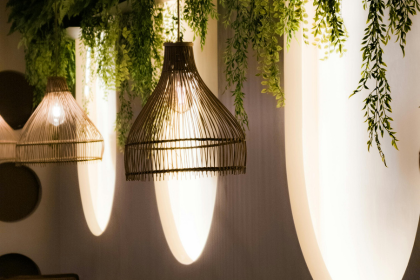
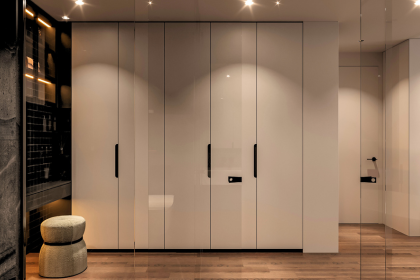
The Three Layers of Light
A luxury space never relies on a single, central light source. Instead, balanced spaces are mapped using a strategic, three-tiered blueprint:
- Ambient Lighting (The Foundation): To avoid harsh hot-spots, standard exposed downlights are bypassed. Instead, deep-regressed, trim-less fixtures sit completely flush within the ceiling plaster — hiding the physical light source while casting a soft, even glow downward.
- Task Lighting (The Functional Precision): This provides high-intensity illumination exactly where activity happens. Examples include seamless, low-profile LED strips embedded under kitchen cabinetry or precisely angled beams in a dressing room designed to eliminate shadows and eye strain.
- Accent Lighting (The Drama): This is where interior design becomes art. By utilizing techniques like wall grazing — placing linear LED slots directly adjacent to a textured stone or plaster wall—- dramatic shadows are cast to emphasize the raw, physical depth of premium materails.
The Intorion Standard
Intorion integrates lighting design directly into initial architectural wireframes. By aligning electrical layouts with furniture orientation and material textures from day one, spaces transition effortlessly from bright morning sanctuaries to moody, intimate evening retreats.